From Pixels to Grain: Carving Mountains with Light and Wood
Join a hands-on journey through Photogrammetry to Wood Relief: Hand-Finishing 3D Mountain Terrain Models, where aerial images become tactile landscapes and chisels translate sunlight into shadow. We will capture peaks with careful overlap, sculpt data into depth, then finish with heart, grain, and patience. Expect practical steps, shop-worn anecdotes, and invitations to share your own ridgeline victories, mishaps, and hard-won techniques so our community of makers keeps climbing higher together.

Chasing Light Above the Ridges

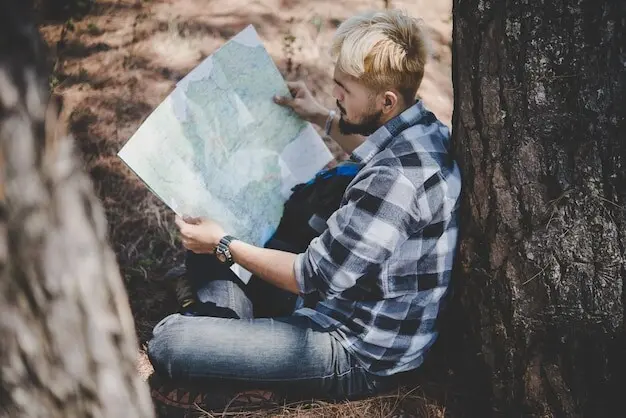
Every successful relief begins outdoors, reading wind, sun angle, and cloud drama like a map of future shadows. Early or late light sharpens ridges, while consistent exposure and 70–80% overlap forge solid reconstructions. Calibrated lenses, RAW capture, and steady flight speed prevent distortion, yet flexibility matters when mountain weather flips plans. Pack extra batteries, markers for ground control, and a notebook for field quirks that later explain curious creases in the model.

Weaving Photographs into Measurable Terrain
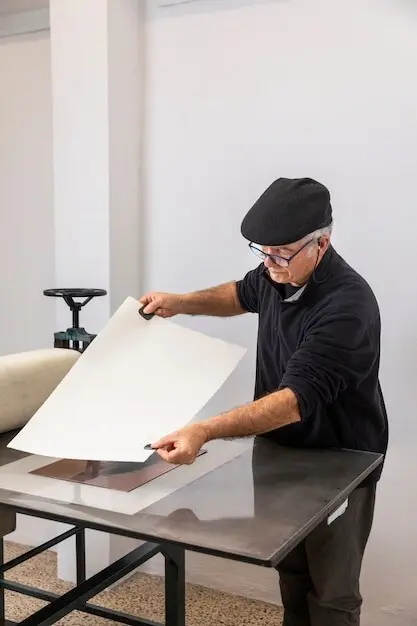
Back at the workstation, Structure-from-Motion extracts camera poses while Multi-View Stereo densifies reality into a shimmering point cloud. From there, meshing, decimation, and normal repair prepare surfaces for workshop life. Orthomosaics verify consistency; DEMs reveal slopes that deserve extra depth budget. Keep meticulous versions because one aggressive smoothing pass can erase a beloved arête. Aim for fidelity that wood tools can celebrate rather than struggle against.
Feed the cleanest images first, purge motion-blurred frames, and let robust matching knit reliable tie points. Once cameras solve, inspect reprojection errors instead of trusting defaults. Mask sky bands and spinning rotor shadows to quiet noisy regions. When tie points sneeze across glaciers, add control constraints. Before densification, sanity-check scale by measuring a bridge span or trail switchback you know by boot and breath.
After meshing, remove floating shards and trees you never intend to carve. Use curvature-aware smoothing so ridge knives and cirques stay sharp while chatter fades. Decimate where texture overwhelms cutters, but guard landmarks that guide the eye. Fill tiny pits that trap finish, then recalc normals. A light pass of volumetric remeshing can stabilize thin walls without erasing the mountain’s stubborn personality.
Decide the relief’s physical footprint early, accounting for tool reach, shop dust extraction, and safe clamping zones. Bake scale into the mesh so Z depth matches your basswood thickness and planned vertical exaggeration. Add a flat perimeter for fixturing, and orient grain parallel to ridgelines where possible. Wood moves; leave seasonal breathing room and remember that sanding and finish add their own gentle, cumulative millimeters.

Drawing Depth for Bas-Relief Drama

Transforming full mountains into shallow depth means artistic choices: compress valleys, bias light-catching facets, and reserve detail for storytelling zones. Vertical exaggeration can reveal subtle benches without turning cliffs into walls. Think like a cinematographer arranging shadows, then like a cartographer simplifying signal from noise. Test small tiles, hold them to a raking lamp, and invite feedback before committing a full board to the chisel’s hungry edge.

Choosing Wood, Tools, and a Hybrid Workflow

Material speaks first. Basswood carves like butter, maple holds hairline detail, and walnut dramatizes shadow. Match grain to ridgelines and avoid knots in valleys. A hybrid path—CNC roughing, hand refinement—saves wrists while preserving soul. Keep chisels scary sharp, dust managed, and passes conservative. The goal: surfaces that invite fingertips, whispering rock, snow, and wind without splinters or tear-out stealing the conversation.

Species, Grain, and Seasonal Movement

Pick straight-grained boards, quarter-sawn if possible, to stabilize vertical relief. Acclimate wood to the hanging environment before carving so seams do not grin open later. Grain direction influences how knife marks read as cliffs or talus. Avoid sapwood streaks through glaciers unless you want drama. If gluing panels, alternate growth rings and keep biscuits shy of deep valleys to protect future gouge paths.

Tooling from V-Bits to Spoon Gouges

Rough with a ball-nose for gentle scallops that sand easily, then switch to V-bits for crisp saddles before picking up sweep 5–9 gouges for musical curves. Rifflers refine ledges; card scrapers tame fuzz. Keep a strop beside the vise and resharpen before resistance climbs. When noise matters, hand planes and spokeshaves serenade where routers shout. Share your favorite edge angles and steels below.

Carving Texture and Life by Hand
Now the romance: turning accurate geometry into felt experience. Rock faces crave broken rhythms, forests need a softened hush, and snowfields want breath, not polish. Work from large forms to accents, leaving purposeful tool echoes. Pause often, tip the piece to new light, and let imperfections suggest truth. Knowing when to stop is an art; stopping a little early reserves freshness you cannot sand back into being.

Color, Protection, and Enduring Presence
Finishes should honor touch and time. Transparent oils deepen grain like dawn on granite, washes tint snow and lakes with restraint, and wax catches highlights softly. Archive-friendly choices resist UV and fingerprints. Test on offcuts that share grain with the piece. Mount with airflow, light thoughtfully, and include a care card. Share your favorite recipes and lighting wins so future viewers see the range whisper as you intended.

Stains, Inks, and Mineral Pigments

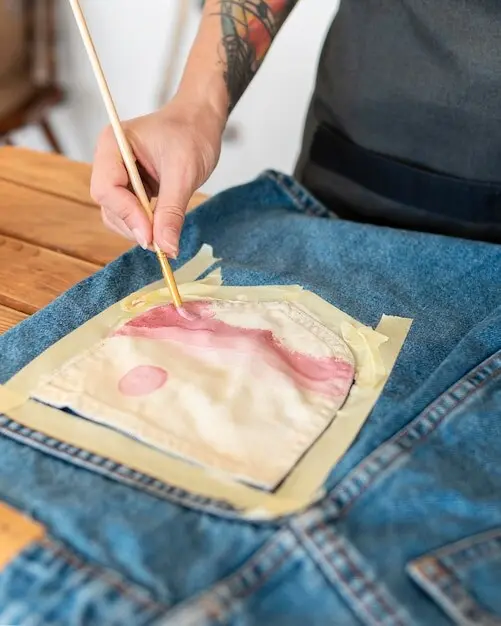
Thin sepia stains warm rock, indigo inks cool shadows, and powdered mineral pigments suspend in shellac for ancient clarity. Build in veils, never blankets, letting wood speak through the color. Mop up pools in valleys before they dry blotchy. A silicone pastry brush can sneak color into micro-ledges. Keep a photo of the real mountain nearby to restrain exuberant hands.

Oil, Shellac, and Wax Rituals

Tung oil penetrates and toughens; shellac locks color and levels sheen; a final beeswax rub lends a hand-loving glide. Apply thin, wipe sooner than you think, and burnish after curing so highlights emerge on ridgelines. Avoid heavy poly unless the piece lives in a stormy foyer. Note your schedule on the back; future you—or a collector—will thank today’s careful record.

Hanging, Lighting, and Long-Term Care

French cleats spread weight and invite easy repositioning for seasonal humidity checks. Keep out of direct sun to preserve subtle tints and wood moisture balance. Aim warm, raking light across the surface so evening shadows retell the climb. Dust with a soft brush, never a soaked cloth. Encourage owners to share installed photos; seeing pieces in real homes refines our next decisions at the bench.
Tavotoranaripentosavinilo
Privacy Overview

This website uses cookies so that we can provide you with the best user experience possible. Cookie information is stored in your browser and performs functions such as recognising you when you return to our website and helping our team to understand which sections of the website you find most interesting and useful.