
Contours to Cloth: Mapping Landscapes on the Loom
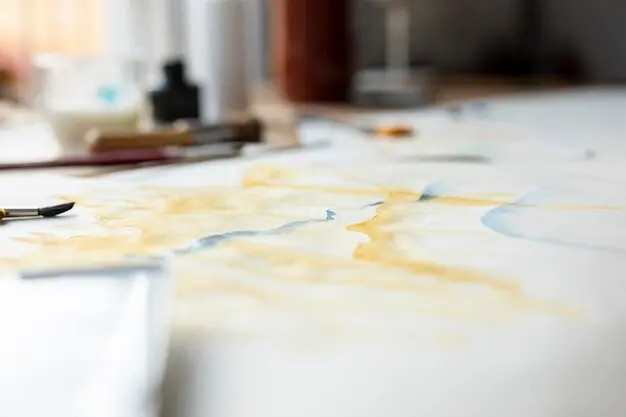
Let us explore Weaving Loom Patterns Derived from Topographic Contours, turning curved elevation lines into rhythmic interlacements that read like landscapes under your fingertips. We will pair cartographic insight with yarn choice, structure, color, and careful drafting, so your cloth carries rivers, ridgelines, and valleys in a language the loom understands, inviting curiosity, touch, and conversation as the fabric quietly remembers specific places and journeys.

From Map to Draft: Translating Elevation Lines Into Weave Logic

Beginning with a paper sheet or a digital map, the journey converts contour intervals into systematic lift plans that a loom can execute reliably. We consider scale, resolution, and the number of shafts available, then decide how faithfully to echo curvature without compromising structure. The outcome is a draft that balances readability, stability, and expressive line quality, allowing cloth to capture geography with clarity, movement, and tactile nuance that survives finishing, wearing, and years of storytelling at the edges of the fabric.

Structures That Sing With Lines

Weave structure inflects every contour with rhythm and light. Twills, network drafting, echo weave, overshot, summer and winter, and doubleweave each speak differently, shaping line weight, drape, and tactile relief. The right choice honors map geometry while producing wearable or display-ready cloth. By aligning floats and tie-ups to directional flow, you orchestrate shimmer where slopes change, softness where valleys rest, and crisp edge definition along ridgelines, achieving a legible translation of terrain that remains comfortable, durable, and visually magnetic in daily use.

Twill families for flowing elevation

Twill progressions excel at directional movement, making them ideal for translating long, sweeping contours. Vary point lengths to suggest gradient intensity, and tilt diagonals to mirror slope aspect. Broken twills modulate texture like changing geology underfoot. When drafted as advancing sequences, the lines glide convincingly, especially in lustrous fibers that catch light across diagonal floats. Sampling different twill angles helps you edit the cartographic story, emphasizing a decisive ridge while keeping secondary lines supportive rather than noisy, muddled, or structurally fragile after finishing and wear.

Network drafting and echo weave for organic curves

Network drafting allows contours to meander with fewer corners, preserving the continuous energy of natural hills. Echo weave parallels a guiding line with luminous companions, like contour intervals running side by side across a sheeted slope. Because interlacement stays balanced, the cloth remains stable even when lines tighten around a summit. By tuning warp color sequencing, you can create subtle depth, where echoed paths brighten high ground and darken hollows, achieving cartographic clarity through cloth without resorting to stiff floats or unsympathetic geometric compromises anywhere.

Doubleweave to suggest relief and layered terrain

Doubleweave permits two layers to interact, enabling shadowed valleys, lifted ridges, or even pockets that trace a lake basin. Contrast fibers between layers to amplify depth cues: a springy wool above linen supports form without weight. Layer exchanges at contour crossings highlight dramatic shifts. Plan selvedges meticulously to avoid draw-in at transitions. The result reads like tactile topography, lending sculptural presence to scarves, runners, or wall pieces that invite hands to explore, then rest, like hikers tracing a map while planning tomorrow’s ascent with friends together.

Color, Yarn, and Depth: Elevation in the Palette

Gradient warps and painted skeins for believable altitude

A warp painted from deep valley greens through granite grays to pale summit cream captures altitude without literal labels. Plan transitions to coincide with major contour bands so shade shifts reinforce line clusters. Resist harsh jumps that fracture continuity; instead, use soft feathering between color zones. Sampling on a narrow warp confirms that wet finishing will not collapse delicate distinctions. When successful, a single glance reveals slope direction, watershed divides, and the quiet breath of dawn mist rising from a woven basin’s welcoming cradle everywhere.

Weft striping, value control, and subtle shading

Even with a plain warp, carefully paced weft striping can deliver atmospheric depth. Alternate two close values for gentle modulation, inserting a darker pass near tight curves to emphasize dramatic relief. Keep stripes narrow to avoid banding that distracts from lines. Fiber content matters: matte wools read terrain softly, mercerized cotton crisps edges, silk adds reflective glints like sunlight on scree. By tracking your picks per contour, you maintain coherence, letting viewers sense distance, scale, and shifting light even when the textile is moving actively.

Texture through fiber choice and twist
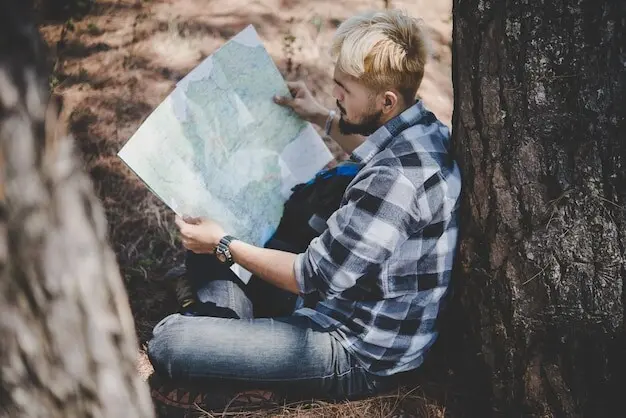
Texture is a quiet cartographer. Singles amplify rustic geology, while tightly plied yarns articulate razor-clean ridgelines. Blending fibers—alpaca for haze, linen for dry clarity—creates microclimate effects across the same draft. In sensitive areas, replace a few ends with a bouclé to push a crest forward. If the structure allows, introduce occasional supplementary weft to accent a benchmark summit. Test finishing processes early, since fulling can blur lines into welcomed softness or unwanted fog, altering the legibility of delicate passes far more than expected routinely.

Making the most of table and floor looms

Limited shafts need not limit ambition. Use block substitution, profile drafts, and carefully staged color to imply dense contour fields with only a handful of harnesses. Advancing or combined treadlings can suggest curvature better than literal plotting. Manage ergonomics with clear treadling logs and color cards so long repeats do not lose their way mid-slope. Frequent pinning of paper references near the castle keeps alignment honest. What emerges feels intentional, lyrical, and structurally trustworthy across scarves, runners, or panels meant for large public installations anywhere people gather happily.

Jacquard and TC-2 for high-resolution terrains

When fidelity is paramount, jacquard looms translate pixel-precise guides into woven microtopographies. Derive a bitmap from contours, convert to a weave-ready structure like double-faced twill or satin, and let the liftplan carry nuanced curves. Color separations allow isobaths for lakes or snowfields as subtle tonal fields. Although setup demands rigor, the result is breathtaking: a map you can fold, wrap, and light from angles to reveal hidden passes. Archive the digital workflow for commissions, ensuring repeatable quality while accommodating new places and personalized inscriptions thoughtfully gracefully.

Rigid heddle and pickup strategies

Even a simple loom can chart convincing geography. Use pickup sticks to create float motifs that trace key contours, spacing them to avoid structural weakness. Pair with painted warps and controlled beating to imply gradients without complex harness choreography. Supplemental wefts can spotlight a summit cairn or river confluence. The slowness becomes contemplative, matching the pace of walking a trail you love. Share swatches with friends to attract collaborators, proving that thoughtful design matters more than gear when bringing landscapes into cloth gently sincerely beautifully.
Process Mastery: Sampling, Beat, and Structural Integrity

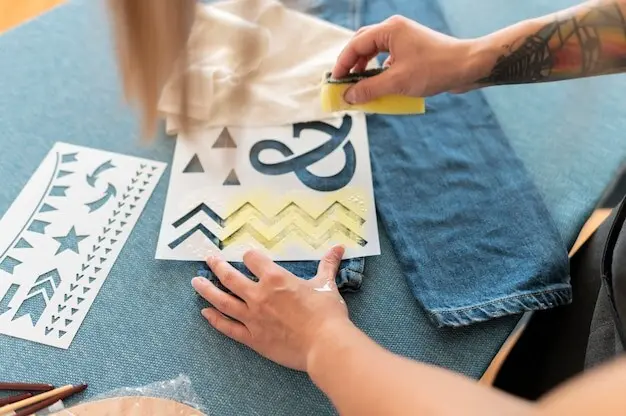
Successful translation of landforms depends on disciplined sampling and calm execution. Beat determines line clarity; sett and yarn size dictate float risk; selvedge strategies preserve map edges. Swatches reveal scale distortions before they become heartbreak. With notes and comparison photos, you refine drafts until contours glide without snagging. This practice nourishes confidence, making the weaving session feel like returning to a familiar trailhead where you know every switchback, overlook, and water stop, ensuring delightful progress instead of surprises that undermine hours of patient devotion fully valiantly.

Stories in Cloth: Memory, Place, and Participation

Maps are intimate. A woven piece charting your favorite ridge holds more than coordinates; it carries weather, laughter, and footsteps. Share the moment a friend recognized a pass in your scarf and began recounting a storm they outran there. Invite readers to contribute GPS trails, hometown hills, or family farms. Encourage comments, questions, and subscriptions for behind-the-loom sketches, pattern drafts, and live Q and A sessions, transforming solitary weaving into a collaborative atlas of shared landscapes and heartfelt journeys remembered thoughtfully warmly carefully together always.

Finishing and Display: Keeping the Landform True

After the last pick, finishing reveals or erases nuance, making this stage decisive. Wet finishing relaxes yarn and consolidates structure; blocking preserves curvature where lines risk drifting. Consider edging choices that frame the geography respectfully. For display pieces, mounting must avoid crushing relief while supporting even tension. For wearables, gentle care instructions sustain legibility for years. With thoughtful handling, the woven map keeps speaking clearly, inviting fingertips to trace passages as light moves, seasons change, and stories accumulate along familiar ridges patiently humbly beautifully eternally.
Tavotoranaripentosavinilo
Privacy Overview

This website uses cookies so that we can provide you with the best user experience possible. Cookie information is stored in your browser and performs functions such as recognising you when you return to our website and helping our team to understand which sections of the website you find most interesting and useful.