
Alpine Impressions, Sustainably Printed

Designing Peaks with Purpose
Crafting Digital Negatives that Behave
Choosing Film and Ink Wisely
Opt for high-clarity inkjet transparency films known for stable dimensional behavior under heat and light. Pigment inks often produce durable density, but confirm UV opacity with a Stouffer step wedge. Store films flat, handle edges with lint-free gloves, and let fresh prints fully outgas. Small consistencies like these reduce wasted exposures and bolster sharp alpine micro-contrast.
Building Curves and Calibrating Tonality
Print a standardized wedge, expose your photopolymer or screen, then read outcomes under consistent lighting. Adjust the digital negative curve until highlights whisper and deep shadows retain texture. Document settings meticulously. Once dialed, alpine skies retain delicate gradients, snowfields glow without chalkiness, and crag shadows separate distinctly, making subsequent editions remarkably efficient, predictable, and delightfully repeatable.
Eco-Conscious Materials and Chemistry
{{SECTION_SUBTITLE}}
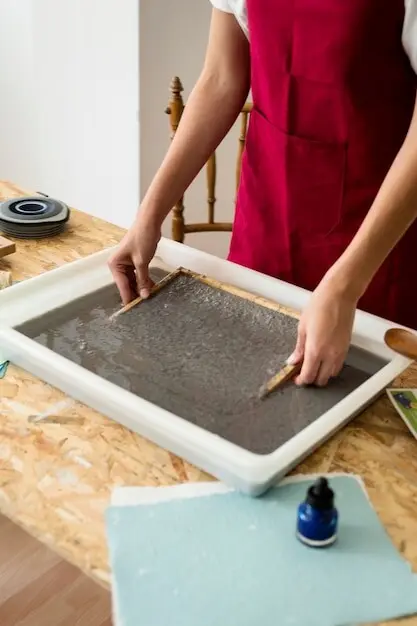
Paper with a Lighter Footprint
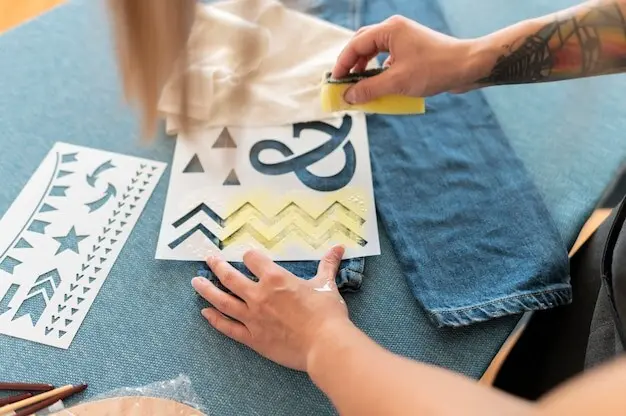
Inks and Emulsions that Respect Water and Air
Exposure, Registration, and Consistent Results
UV Light with Minimal Energy Cost
LED exposure boxes sip power and produce stable wavelengths for photopolymer and screen emulsions. When weather cooperates, sunlight becomes the cleanest lamp—track intensity with a UV meter or blue-scale strips. Log exposures alongside temperature and humidity. Predictable light means trustworthy highlights, saved plates, and fewer retries, keeping both bills and environmental tolls comfortably low.
Contact Pressure and Pin Registration
Crisp edges require intimate contact between digital negative and light-sensitive surface. Use a vacuum frame or carefully weighted contact printing frame. Add pin registration for multi-layer posters, labeling each layer with precise crop marks. With alignment secure, transparent atmosphere stacks without haloing, and the mountain silhouette remains decisive as colors whisper across snow and stone.
From Proof Sheets to Confident Editioning
Start with small proofs on offcuts to confirm exposure, ink balance, and paper behavior. Annotate margins, then scale to full sheets. Establish an edition size you can complete sustainably, leaving buffer for inevitable artist proofs. Include a brief process card, celebrating responsible materials so collectors understand the care behind each quietly radiant summit.
Textural Stories Carved by Weather
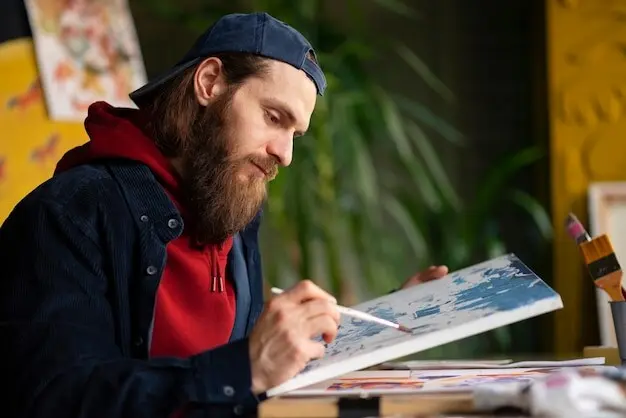
Sharing, Packaging, and a Caring Community
Archival Protection without Plastic Guilt
Use pH-neutral glassine, kraft tubes with snug end caps, and paper-based corner guards. Add compostable labels and a small, recyclable moisture indicator. Ship in batches to minimize transport emissions. This combination safeguards delicate surfaces, honors collector expectations, and reflects the same restraint practiced in the studio, where fewer, smarter layers create clearer alpine air on paper.
Stories that Travel with the Print
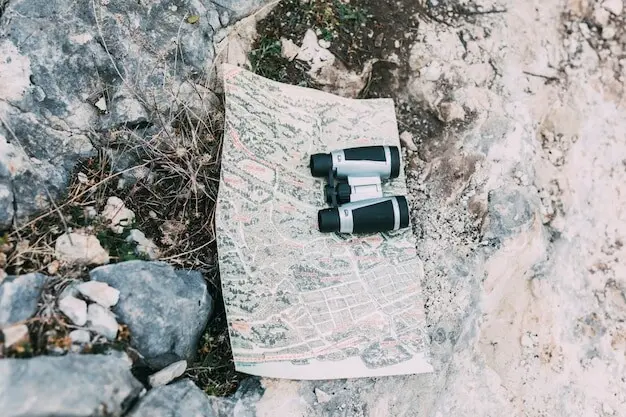
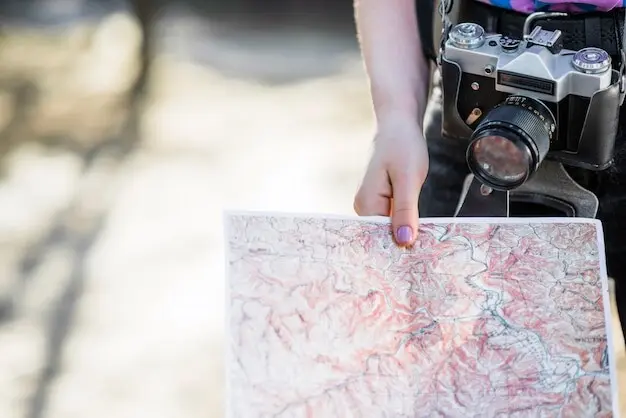
Tuck a concise process note describing your digital negative calibration, chosen papers, and water-based inks. Include a map fragment or elevation profile that inspired the piece. When buyers understand the care behind exposure tests and restrained palettes, they treat the poster like a small summit—earned, remembered, and shared with friends who might join your next ascent.
Invitation to Respond and Build Together
Encourage readers to comment with calibration questions, share test curves, or post studio photos. Offer a seasonal newsletter featuring process refinements, trail sketches, and limited workshop spots. Ask for critiques on legibility and layering. Feedback tightens craft, sustains motivation, and grows a circle where careful printing, mountain ethics, and low-impact habits reinforce one another beautifully.
All Rights Reserved.